Reviews
Part of Accessible home design: what the ADA Standards cover and which dimensions to borrow
Ranked by daily value: the accessible home design upgrades worth it
Which home access upgrades pay off daily, ranked by cost to install, cost to undo, and how many people in the house actually benefit from them.
Access upgrades typically run from tens of dollars for lever handles to $5,000 or more for a walk-in tub installed. Cheap, invisible ones get daily use from everyone in the house. Expensive ones help one person in one situation and hurt resale.
What to take away
- Lighting, lever handles and threshold reduction are the highest value per dollar in almost every house.
- A zero-step entrance changes more days than any interior change, because it decides whether leaving is easy.
- Anything hidden in a wall or floor should be done during other work, since the labor is already paid for.
- Powered equipment gives real independence but carries service, power and replacement costs that construction does not.
- Take corrections in one orderlight and contrast, then doors, then floor. Follow it regardless of which mistake annoys you most.
- A correction earns its place if it is cheap, helps more than one person, and changes something that happens several times a day.
The upgrades that pay every day
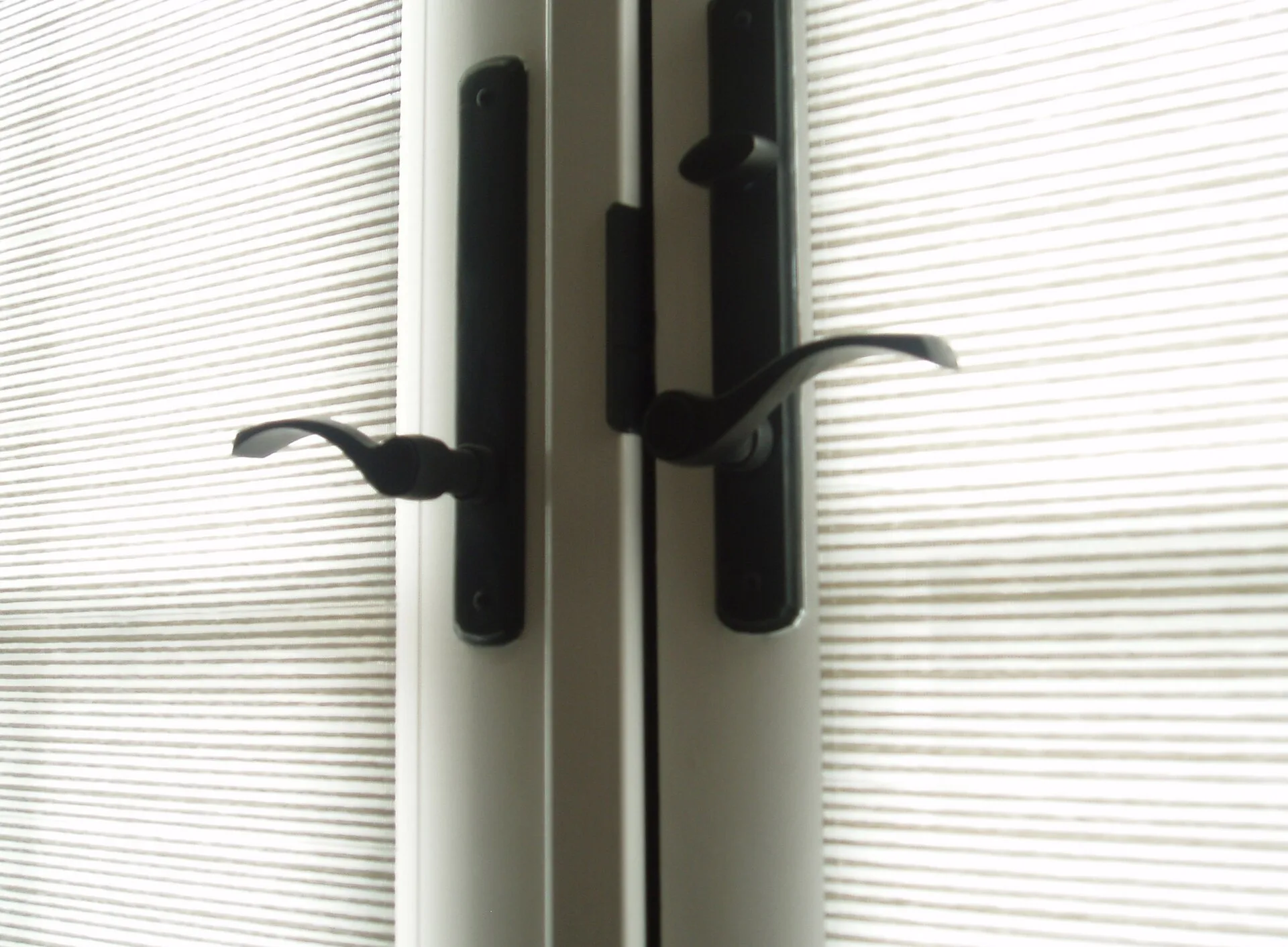
Better light at stairs, task light at counters, and contrast between floor and wall help people with low vision, older eyes, and anyone carrying laundry. Lever handles work with a fist, an elbow, or a full hand, and rocker switches do the same job for light.
Lighting and contrast is the single highest value correction in almost any house. A single ceiling fitting per room is the American default and causes the problem. Door hardware and door swings come second, and both are about a morning's work. Floor surface comes third, and it is the one people defer until someone slips.
Tier 1. Cost typically $20 to $60 per lever or switch, more if a stair light needs wiring. Benefit: daily use by everyone.
Reducing an exterior threshold to a low bevel removes the single most common trip point in a house. None of these read as medical, and none limit a later sale.
Tier 1. Cost typically $150 to $600 for a bevel or short ramp installed. Benefit: an easier exit on every trip.
Two more belong in the same tier. Moving washer and dryer out of basement removes a stair trip several times a week for whoever does laundry, often the person with least capacity to spare.
Tier 1. Cost typically $1,500 to $4,000 when plumbing and power move. Benefit: fewer stair trips each week.
A handheld shower on a slide bar costs very little, works for seated and standing users, and makes cleaning the enclosure easier for everybody else.
Tier 1. Cost typically $80 to $300 installed. Benefit: works seated or standing, and cleans more easily.
Ranked by cost to undo
Upgrades by cost to reverse
Upgrade
- In-wall blocking
- None until needed
- Lever handles, rocker switches
- High
- Improved lighting and contrast
- High
- Zero-step entry
- Very high
- Widened doorways
- High
- Ceiling track hoist
- High for one user
Daily benefit
- In-wall blocking
- Nil, invisible
- Lever handles, rocker switches
- Trivial
- Improved lighting and contrast
- Low
- Zero-step entry
- High
- Widened doorways
- High
- Ceiling track hoist
- Moderate
Cost to reverse
- In-wall blocking
- Lever handles, rocker switches
- Improved lighting and contrast
- Zero-step entry
- Widened doorways
- Ceiling track hoist
| Rank | Upgrade | Typical US installed cost | Cost to undo |
|---|---|---|---|
| 1 | Lighting | $50 to $300 per room | Near zero |
| 2 | Lever handles | $20 to $60 each | Near zero |
| 3 | Threshold bevel | $150 to $600 | $200 to $700 |
| 4 | Handheld shower and slide bar | $80 to $300 | Under $100 |
| 5 | Stair lift | $2,000 to $5,000 | $300 to $800, plus lost resale |
| 6 | Walk-in tub | $5,000 to $15,000 | $3,000 or more |
Rank 1 is the cheapest to undo. The top four leave no lasting mark. A lift and a walk-in tub cut framing or drainage, so price the removal before buying.
Where equipment beats construction
Clear floor space matters more than fixtures. The reference dimensions in the standards for mobility devices are a useful yardstick for how much room a chair or scooter actually needs, even though those rules bind public buildings rather than homes. Source: the federal ADA page on wheelchairs and scooters.
In a bathroom too small to rebuild this year, a well-placed piece of equipment can bridge the gap. Medicare's page on commode chair coverage explains how such an item is handled as durable medical equipment when a doctor orders it for use at home. Source: Medicare's coverage rule for commode chairs.
That is often months of usable independence bought while a permanent plan is still being priced.
What tends to disappoint
Walk-in tubs, because filling and draining happens while the user sits in cold air. Very deep lowered counters with no knee clearance behind them. Stair lifts installed where the real problem is the bathroom rather than the stairs. Each gets bought in a hurry and used less than expected.
Compare candidates against the same task before committing, in the way described in universal design choices compared, and set the whole sequence using the field guide to accessible home design.