Maintenance
Part of Accessible home design: what the ADA Standards cover and which dimensions to borrow
Accessible home design: the maintenance plan for year two and beyond
What to inspect, test and reorder once an adapted home has been lived in for a year, from grab bar fixings to lift servicing and worn slip-resistant floors.
An adapted house is a working system, not a finished project. Fixings loosen, floor coatings wear smooth, batteries age, and the person using the house changes. Year one is when the first real data arrives: which parts get used constantly, which get avoided, and which have already started to fail quietly. A short annual routine catches almost all of it.
What to take away
- Grab bars and transfer poles need a load check, not a visual check. Loose fixings look fine until they do not.
- Slip resistance is a wear item. Floors that felt secure when new can be polished smooth by cleaning products within a year.
- Powered equipment needs a named service contact and a written date, or it will be serviced only after it fails.
- Reassess the person, not only the hardware. Reach, grip and stamina change, and bar positions should change with them.
The annual walk-through
Start at the street and follow the route in, exactly as it is used. At each point, ask what has moved, what has worn, and what somebody has started avoiding. Look for:
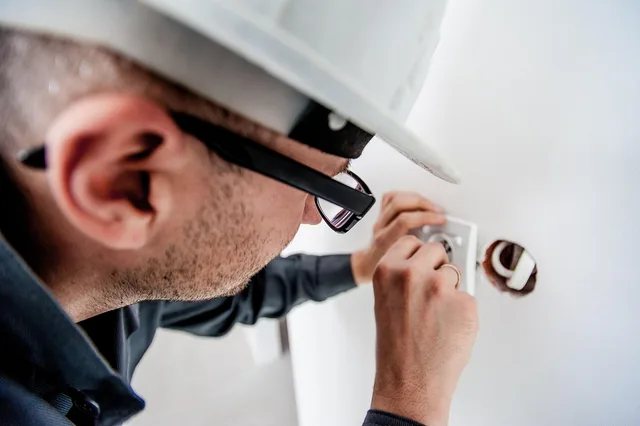
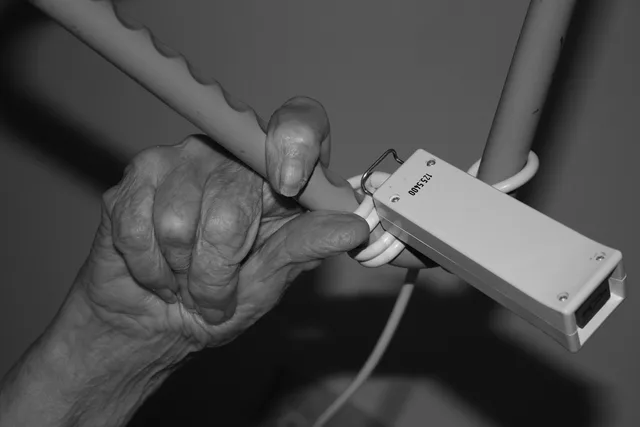
- Rocking or rotation in every grab bar, handrail and transfer pole
- Threshold seals that have shrunk, lifted or let water track inward
- Door closers that have tightened past what one hand can push
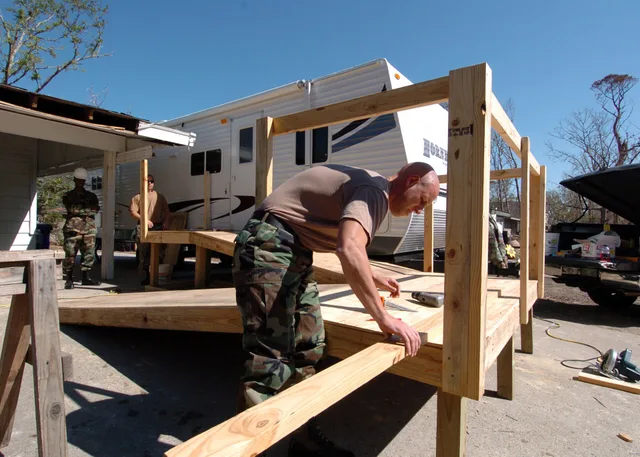
- Ramp surfaces that have gone slick, and drainage that now ponds
- Controls that were set for a reach the user no longer has
Consumables and reordering
Adapted homes run on supplies as much as on hardware: bed pads, gloves, dressings, filters, batteries. Medicare's page on medical supplies coverage sets out how supplies used with covered equipment are handled and why the supplier's Medicare enrollment matters to what you pay.
Veterans receiving VA care can reorder certain items directly, and the VA's page for ordering medical supplies shows which categories are handled that way. Put the reorder date in the same calendar as the service dates so nothing is discovered empty on a Sunday.
Servicing what moves
Anything with a motor, a battery or a track has a maintenance interval set by its manufacturer. Stair lifts, through-floor lifts, ceiling hoists, powered door openers and adjustable beds all belong on one list with a supplier name, a contract number, a service date and a fault number.
Ask at handover what the response time is for a breakdown, because a hoist out of action for a week changes how a household lives. Budgeting for this belongs with the rest of the ownership cost, which is covered in accessible renovation costs and upkeep.
Reassessing the fit
Once a year, repeat the original task list from the field guide to accessible home design and note anything that has become harder. A bar at the height that suited last year may now sit wrong. Adjusting is cheap. Discovering it after a fall is not.
Watch for workarounds; they are evidence. A towel hung on a bar now in the wrong place, a chair parked at the end of a hallway, a light left on all night, a door propped because the closer is too stiff. Each is somebody solving a problem the house created.
Each points at a five minute adjustment nobody has asked for. Write them down during the walk-through instead of tidying them away.