Costs
Part of Aging in Place Projects Planning: Five Steps
Budget construction, care and equipment separately for aging in place
Build a budget that survives contact with reality: one-off construction, recurring care, equipment replacement cycles, and the cost of the alternative.
What to take away
- Build four separate linesconstruction, equipment, recurring care and contingency. Merge them and the care bill vanishes from the sheet.
- Recurring care is usually the largest five-year number, and health insurance rarely pays for it.
- Budget care hours explicitly, at a typical US rate of $25 to $35 an hour.
- Hold back 10 to 20 percent of the construction figure, more for a house older than 1970.
- Price the alternative. Selling and moving costs belong on the same page as the renovation quote.
The four lines and their typical costs
Get three bids against one written specification, so you compare the same scope. Ask each contractor what the bid excludes. The hidden expenses in renovation budgets are usually structural, not cosmetic.
Typical US ranges, to check against local bids:
Bathroom work carries the highest risk per square foot. Wet floors and tub edges are where many home falls begin, so the NIA falls prevention guidance works as a checklist when you price that room.
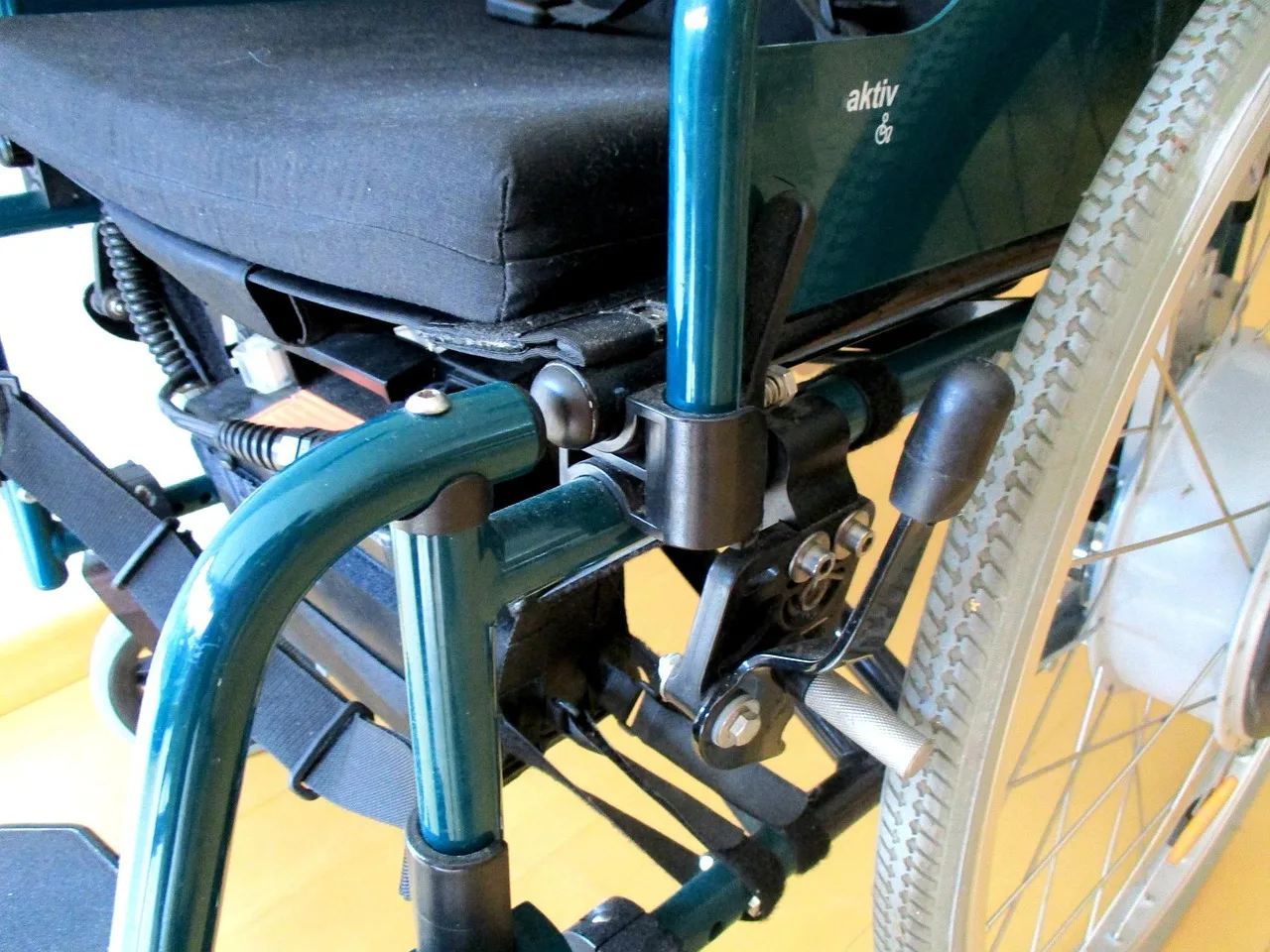
Equipment comes next. Price a replacement cycle rather than a purchase, because batteries, slings, cushions and casters all wear. Mechanical items typically last about five years. Anything carrying weight every day lasts less.
Add a service contract on a lift or hoist. A typical range is $200 to $600 a year, and it beats an emergency call-out. Ask whether the warranty covers parts or only labor, and who pays the call-out fee.
Before you specify anything, run the products worth trialling test with the person who will use the item daily.
Care and contingency each get a section below. They are where budgets break.
Estimating recurring care hours and rates
Five steps turn a vague worry into an annual figure.
- List every task the person cannot manage safely alone, such as bathing, dressing and medication.
- Estimate minutes per task per day, then add supervision time if memory loss is present.
- Convert daily minutes to weekly hoursminutes times seven, divided by sixty.
- Multiply weekly hours by the local hourly rate for a home health aide.
- Multiply by 52 for the annual figure, then raise it each year as needs change.
A home health aide typically costs $25 to $35 an hour in US markets, and more in large metros. Ten hours a week at $30 is about $15,600 a year.
Medicare covers home health under narrow conditions and does not pay for long-term help with bathing and dressing. Its nursing home coverage page sets out how limited the long-stay cover is, which is why most home care falls to the household.
If a relative provides the care, write the hours down anyway. Replacement cost is what you would pay if that person stopped.
Example: five-year totals for one household
A couple in a 1960s ranch, one with limited mobility. Care starts at eight hours a week and rises to twenty by year five.
Five-year totals for one household
| Line | Year one | Five-year total |
|---|---|---|
| Construction: shower, ramp, doorway | $28,000 | $28,000 |
| Contingency at 15 percent | $4,200 | $4,200 |
| Equipment and servicing | $6,000 | $12,000 |
| Care, 8 to 20 hours a week at $30 | $12,500 | $108,000 |
| Total | $50,700 | $152,200 |
Construction is half of the year-one bill and under a fifth of the five-year bill. That ratio is why a modify, move or rent comparison belongs next to the renovation quote, worked with real numbers.
Contingency and the cost of moving
| Number | Typical range | What it covers |
|---|---|---|
| Construction contingency | 10 to 20 percent of build cost | what the walls hide |
| Care contingency | about three months of care hours | a hospital stay or a gap between aides |
| Residential care rate | $4,500 to $9,000 a month | the alternative if care hours double |
| Cost of moving | 5 to 6 percent commission plus $2,000 to $8,000 | paid before the next home is adapted |
Four honest budget numbers
- 10-15%construction contingency
- 3 monthscare contingency
- Annualizedlocal residential care rate
- Sale, purchase, feescost of moving
Only one of those four numbers appears on a contractor's quote.
Set the construction contingency before you sign, not after the first surprise. Compare your five-year total with the residential care rate in your area, then add the one-off cost of selling and buying.
Funding sources worth naming
Programs that actually pay for home modifications:
- State Medicaid waiver home modification programs, often capped at a few thousand dollars per household
- Area agencies on aging, which administer Older Americans Act funds
- VA disability housing grants, for veterans with qualifying service-connected conditions
- City housing department rehabilitation programs
- Long term care insurance, where the policy covers home care
Ask each program two questions early: does starting the work disqualify us, and what documentation is needed. Some reimburse after the invoice is paid, so keep receipts and permits in one folder.
For veterans, the VA housing grants page lists eligibility and current grant maximums, which are reset periodically.
Then fix the sequence, following the planning steps that matter before anyone signs a contract.