Industry
Part of Aging in Place Projects Planning: Five Steps
Five recurring patterns that go wrong in aging in place projects
Five recurring patterns in aging in place home projects: crisis starts, the caregiver left out, untrained help, unused equipment and the ongoing costs.
These five lessons come from patterns that home modification programs, therapists and remodelers describe repeatedly. They are not case studies of named households, and no individual project is being reported here. Treat them as the recurring shapes a plan takes when it goes wrong, so you can check whether yours is heading the same way.
What to take away
- Projects started after a crisis cost more and deliver less than the same work booked in advance.
- The caregiver's needs get left out of the design, and then the caregiver is the part that fails.
- Equipment bought without a trial is often unused within a month.
- The costs that break budgets are the recurring ones, not the construction ones.
Lesson one: the late start tax
Work commissioned during a hospital discharge is priced, designed and built under pressure. Contractors who can start next week are not always the ones who understand access work. Temporary solutions get bought at full price, and decisions that should take a week take an afternoon. The same scope arranged three months earlier is usually cheaper and better matched.
Lesson two: design for two people
Nearly every plan is drawn around the person with the diagnosis. The person doing the helping is invisible on the drawing. Yet the bathroom has to fit both of them, the bed has to be reachable from a working side, and somebody has to stand while assisting without wrecking their back.
The VA's description of homemaker and home health aide care shows how much of daily help is hands-on physical work in tight spaces. Draw the helper into the plan and the room gets about six inches wider in the right place.
Lesson three: untrained help fails
Families are handed equipment and expected to work it out. Transfers, hoists and bed positioning all have technique, and getting it wrong hurts both people. Medicare's page on caregiver training services describes training a practitioner can provide to the people who do the caring. Ask about it when equipment is delivered, not after somebody has strained a shoulder.
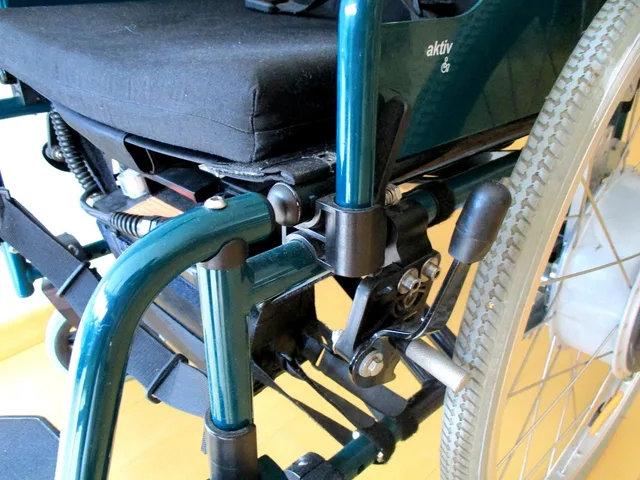
Lesson four: the equipment graveyard
Most households that have been through this have a closet of things bought once and used twice. The causes are predictable:
Equipment graveyard
- Bought without the user present
- The wrong height, and nobody adjusted it
- It needed two hands, and the user has one free
- It worked in the afternoon and not in the morning
- It lived in the wrong room and was never carried back
None of those failures are about product quality. They are about fit, and fit is only visible in the house where the thing has to live.
Lesson five: the running cost is the real cost
Construction ends. Care, supplies, servicing, and transport do not. Households that plan only the build finish, then hit an ongoing number nobody modeled.
Budget the year after the work as carefully as the work, using setting a realistic budget for aging in place. Before signing a scope, check the regret list in what homeowners regret about accessible home design.