Reviews
Part of Aging in Place Projects Planning: Five Steps
Aging in place products: the trial worth running before you buy
We do not test brands. Here are the product categories worth trialling at home first, how to run a fair one week trial, and what to measure while you do.
Aging in place products worth a home trial include rollators, shower transfer benches, bed rails, grab bars and lift chairs. Smart lighting also rewards a short trial.
This site does not run a test lab, so it will not name the best walker brand. It names real models to trial at home, plus how to run a fair one-week trial and what to measure.
Run it right and the answer is real, not a showroom impression. Most bad purchases in this field happen in twenty minutes in a shop, made by someone who is not the user.
What to take away
- Trial anything that touches the body daily. Seats, handles, beds and bars feel different after a week than after five minutes.
- Rent or borrow first where you can. Many suppliers rent, and some equipment is supplied on a rental basis anyway.
- Measure the doorway, the turning space and the storage spot before ordering, not after delivery.
- Involve a therapist for anything load-bearing or transfer-related. Fit matters more than features.
Specific aging in place products worth a home trial
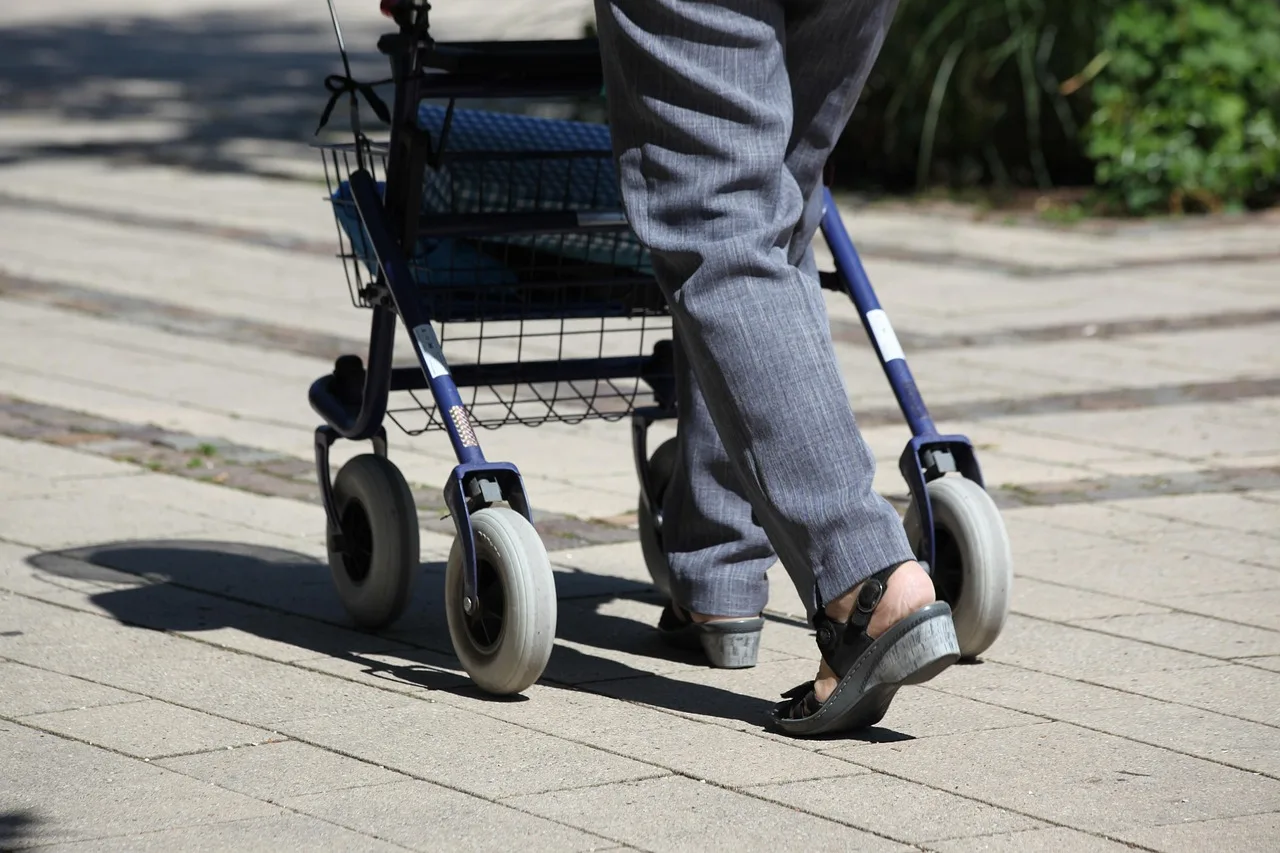
- Rollators and walkers:Drive Medical Nitro Rollator (publicly listed around $180 to $300; 8-inch wheels, seat, folds) and Invacare Dual Release Walker (around $60 to $100; two-button folding). Seat height, wheel size and folded footprint decide whether the thing gets used.
- Shower seats and transfer benches:Drive Medical Tub Transfer Bench (around $100 to $160; reversible back, adjustable legs) and Medline Shower Chair (around $40 to $80; non-slip tips). They have to suit a specific enclosure, not a generic one.
- Bed rails and grab bars:Stander BedCane (around $100 to $160; installs under the mattress) and Moen Home Care 24-inch grab bar (around $30 to $50; screw-mounted, often rated to 500 lb with proper blocking).
- Transfer poles:Stander Security Pole and Curve Grab Bar (around $120 to $180; tension-mounted floor to ceiling). The fixing surface matters as much as the product.
- Riser recliners:Pride Mobility VivaLift (around $1,000 to $2,500; power lift) and Golden Technologies Comforter (around $900 to $2,000; lift and recline). They need real clearance behind them and a route out of the room.
- Lighting and controls:Philips Hue starter kit (around $100 to $200; app and voice control) and Lutron Caseta Wireless Dimmer Kit (around $80 to $120; wall dimmer with remote). Cheap to try and easy to get wrong.
Structural work and mock-ups where a home trial is less useful
Structural work and anything permanently fixed to tile cannot be trialed. For those, the trial is a mock-up: tape on the floor, a cardboard template, a temporary bar clamped in place. Spend one afternoon there, not a weekend regretting a fixed position.
Mock-ups are also the only honest way to test a turning circle. A tape outline on the floor tells you in five minutes what a plan drawing will not admit for months.
How to run a fair one-week trial
Pick one task and run it when that task actually happens. Record what went wrong. Morning stiffness changes everything, so a device that works at 2 p.m. may fail at 7 a.m.
Ask the user to describe the effort, not the opinion. Note anything that needed two hands, a second person, or was quietly avoided by day three.
Where insurance covers a device, the trial may be structured for you. Medicare's walker coverage page shows how such an item is treated as durable medical equipment prescribed for home use.
It covers the rent or buy decision and why the supplier's Medicare enrollment affects what you pay. Understand this before buying retail, which usually forfeits coverage.
Get an assessment before the shopping
The highest-value step is a fitting by someone qualified, since height, wheel resistance, brake reach and seat depth are adjustable. A mis-set device is worse than no device. The VA's overview of health, fitness and rehabilitation services describes the rehabilitation side for veterans.
The planning sequence sits in our aging in place project plan, and the trade-offs between buying equipment and building are covered in which upgrades add everyday value.