Reviews
Home mobility equipment reviewed for 2027
Home mobility equipment reviewed for 2027 covers named rollators, stair lifts, transfer aids and power chairs, who suits each and how it is usually funded.
Home mobility equipment reviewed for 2027 involves four purchases: a rollator or walker, a transfer or bathroom aid, a powered chair or scooter, and a lift or ramp.
Prices below are typical US ranges as of 2026. They rest on published specifications and supplier quotes, not hands-on testing.
Most households meet this market at discharge, with a date and no prices. The same walker is free through one route, partly covered through another and full price in a shop. Nothing on the shelf says which is which.
What to take away
- Route decides cost more than the product does. Ask how the item is funded before you compare models.
- A rollator, a transfer board and a raised toilet seat solve most first-year problems for a fraction of a lift.
- Home modifications sit outside medical coverage entirely, which is why no insurer pays for a ramp.
- Rent anything while needs are still moving. Buy once they have settled.
- Keep one folder per itemmodel, serial, supplier and funding route. Add warranty and service dates.
Rollators and walkers: named models for 2027
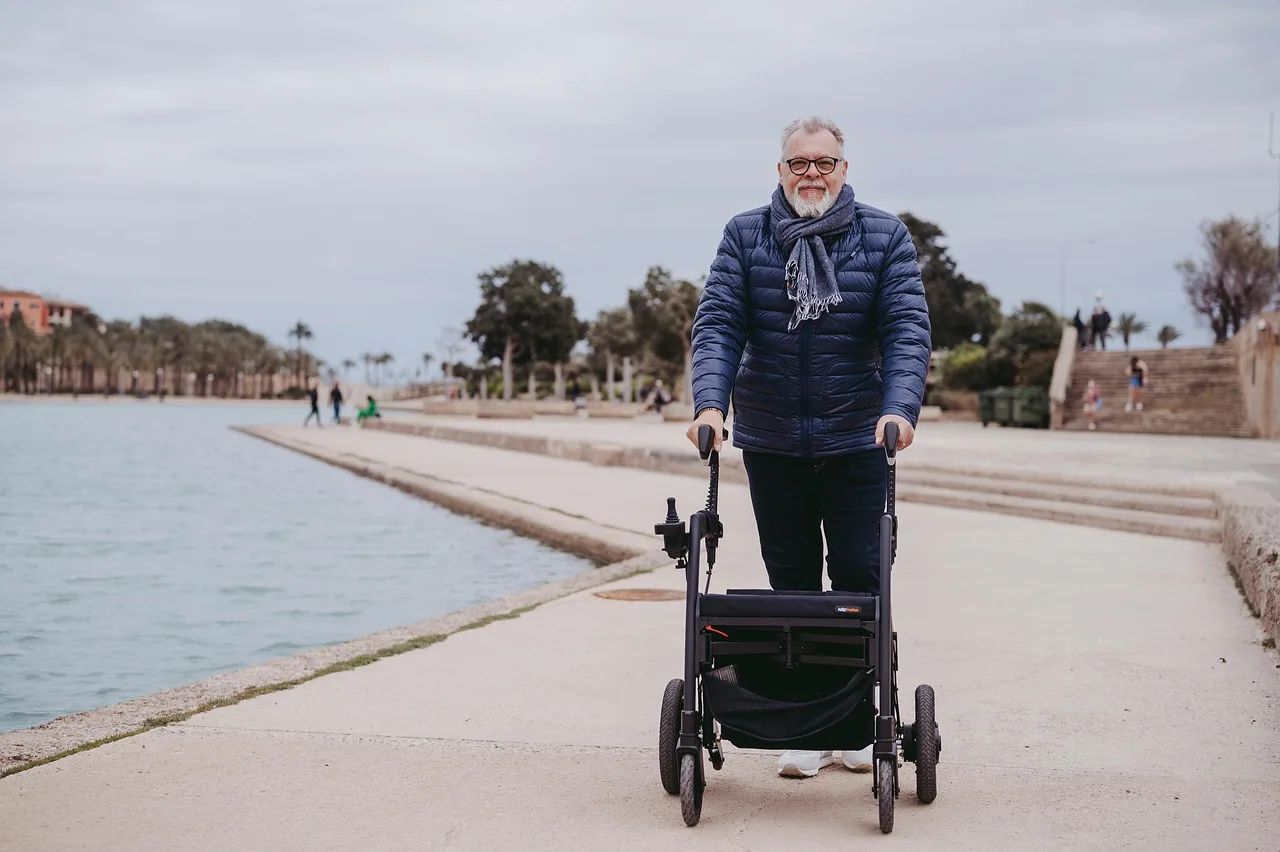
A rollator is a wheeled frame with hand brakes and a seat, and it suits someone unsteady on their feet who can still stand and turn.
Drive Medical, Invacare, and Drive DeVilbiss Healthcare sell four-wheel rollators for $100 to $400. Most fold and stay light enough to lift into a car trunk.
Drive Medical Nitro Euro Style Rollator: 10-inch front casters, a padded seat and a 300-pound capacity. It is the outdoor pick and still folds into a car trunk, typically $180 to $300. Invacare XLT Rollator: 8-inch wheels and a 300-pound capacity, often $250 to $400. It suits daily outdoor use.
Drive Medical RTL10266 Four Wheel Rollator: 6-inch wheels, a fold-up backrest and a 300-pound capacity. It fits tighter indoor spaces and typically sells for $90 to $150.
A walker without wheels is cheaper and more stable. The Drive Medical 10210-1 Deluxe Folding Walker has no wheels, a 350-pound capacity and typically sells for $35 to $70. It suits a person who needs to lean rather than travel.
Indoor against outdoor is the distinction that matters. Narrow indoor frames clear a 32-inch doorway; wider outdoor frames with 8-inch wheels do not. Measure the doorway before you choose, not after. Neither a rollator nor a walker is a stair solution.
Stair lifts: Bruno, Stannah, Acorn and Handicare
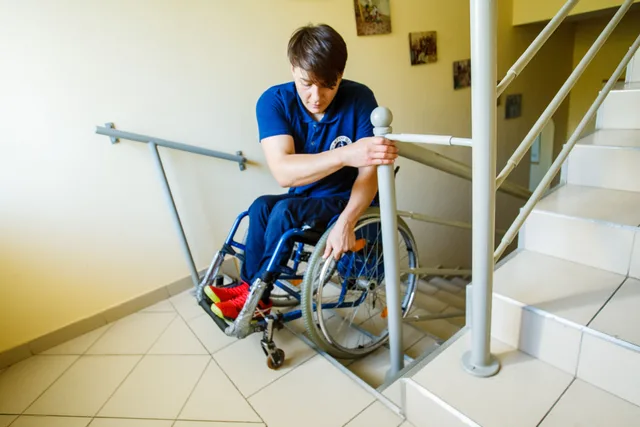
A stair lift is a chair or platform running on a rail fixed to the treads or the wall. Bruno, Stannah, Acorn and Handicare are the names most often quoted in the US, and all four offer straight-run and curved-rail models. Straight runs are the cheap case; curves are priced per bend.
Named straight models: Bruno Elan, Stannah 600, Acorn 130, Handicare 1100. Each runs on batteries, carries about 300 pounds, and needs a rail fixed along the stair.
Typical installed prices run $3,000 to $5,500; curves with Bruno Elite, Stannah 260, Acorn 180, or Handicare 2000 commonly run $8,000 to $15,000.
Buying new commonly runs into several thousand dollars, and the figure moves with rail length, curve count and whether the rail is rented or owned. Ask for the itemized quote: rail, chair, installation, removal and the annual service contract are separate lines.
Stair lifts are home modifications, not medical equipment. Medicare does not cover them. The VA's overview of long term care services explains the care routes veterans can use, and separate housing grant and structural alteration programs cover changes to the building itself.
Transfer aids and bathroom equipment: named picks
Transfer aids and bathroom equipment
Named first pick
- Unsteady walking
- Drive Medical Nitro rollator, better lighting, grab bars
- Cannot manage stairs
- Bed and bathroom on one level
- Cannot stand to transfer
- Sammons Preston transfer board, Drive Medical raised toilet seat
- Cannot self-propel outdoors
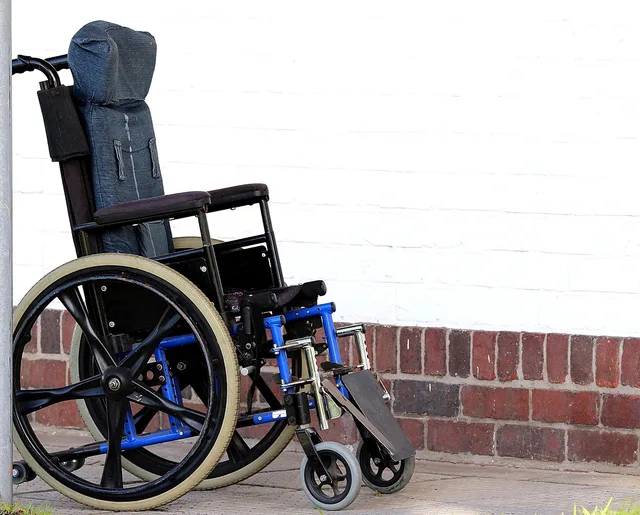
- Manual chair with an attendant
Usually not yet
- Unsteady walking
- Stair lift
- Cannot manage stairs
- Through-floor lift
- Cannot stand to transfer
- Ceiling hoist
- Cannot self-propel outdoors
- Pride Mobility Jazzy Select 6 power chair
Sammons Preston Transfer Board is a smooth slab that bridges two surfaces; it typically sells for $30 to $70. The Drive Medical Raised Toilet Seat with Lock adds height so a person can sit and stand without a helper; it typically costs $25 to $50. Both prevent the falls that cost months.
Grab bars belong in this list. They are not equipment at all; they are blocking inside the wall, and they only work if the blocking went in before the tile.
Power chairs and scooters: Pride, Golden and Invacare
A power chair suits someone who cannot self-propel outdoors. Pride Mobility, Golden Technologies and Invacare build both power chairs and scooters, and the two are not interchangeable. A scooter has a tiller and needs upper-body strength to steer; a power chair has a joystick and needs less.
Named power chairs: Pride Mobility Jazzy Select 6, Golden Technologies Compass Sport and Invacare Pronto M41. Each uses a joystick and typically costs $2,000 to $5,000. Named scooters: Pride Mobility Victory 10, Golden Technologies Buzzaround LX and Drive Medical Scout 4. They use a tiller and typically cost $800 to $3,000.
Power chairs are durable medical equipment, so Medicare Part B may cover part of the cost when a physician documents the need. Scooters for outdoor use usually are not covered. Confirm the current rules with Medicare and the supplier before you order.
Ramps, hoists and platform lifts: EZ-ACCESS, SureHands, Stiltz and Savaria
A modular ramp is aluminum sections that bolt together; a threshold ramp is a small wedge at one door. Named examples are the EZ-ACCESS Gateway 3G modular ramp and the EZ-ACCESS TRANSITIONS Modular Entry Ramp. Both are building work, priced by the linear foot and the rise, and neither is medical equipment.
Modular ramps typically run $100 to $250 per linear foot installed. Threshold ramps often run $50 to $150. Ceiling hoists typically run $3,000 to $6,000 installed; through-floor lifts often run $15,000 to $30,000; vertical platform lifts often run $5,000 to $15,000.
SureHands Waverly is a ceiling hoist; Stiltz Duo is a through-floor lift; Savaria V-1504 is a vertical platform lift. They need structural fixing, a power supply and a service contract, and they lock in a room layout. Add them last, after the smaller options have been tried.
Weigh equipment against the building work it might replace, as set out in which accessible home design upgrades add everyday value.
How to vet what you are shown
Ask what the item weighs, what it needs to charge, who services it and how long a repair takes. Ask to see it in your own hallway before you sign. Whatever a supplier proposes, apply the mock-up and trial discipline described in systems to make a contractor demonstrate.
Keep one folder per item: model number, serial number, supplier and purchase route. Add warranty terms and service dates. Six months in, most households own four or five items from three suppliers on three funding routes, and the person phoning about a fault is rarely the person who bought it.
Common questions
Will Medicare pay for a stair lift or a ramp?
No. Both are home modifications rather than medical equipment, which is the most common misunderstanding in this field. Medicare's coverage of prosthetic devices shows how narrowly the equipment categories are drawn.
Which brands should I avoid?
We do not test equipment, so we name what is widely sold and let you check it yourself. Ask any supplier for the load rating, the service network and the warranty in writing.
Should I buy used?
For simple frames with a documented load rating, sometimes. For anything powered or carrying a person with unknown history, no.
Who should assess the person and the house?
An occupational or physical therapist for mobility and transfers. A supplier assessment is a sales visit, however helpful the person is.
In this guide
- Ramps, stair lifts, hoists and platform lifts: mobility equipment comparedHome mobility equipment compared: ramp against platform lift, stair lift against through-floor lift, hoist against transfer board, on cost, space and power.
- What to measure before buying a home mobility aid in 2027Measure, weigh and plan before anything is ordered: doorways, turns, charging, storage, floor loading, service cover and which coverage category the item sits in.
- Home mobility equipment under review: the good, the weak and the verdictHome mobility equipment like stair lifts, ramps, wheelchairs and hoists gets reviewed for what each does well, where each falls short, and what to check.
- Home Mobility Products Rules: Permits by SetupHome mobility products rules vary by installation. See which permits, code offices, zoning checks, and property approvals to confirm for ramps, lifts.
- Small homes still have room for the right mobility equipmentMobility equipment that works in a small home: ceiling tracks instead of floor hoists, narrow-base frames, folding ramps, and where equipment parks and charges.