Costs
Accessible Laundry Room Design: Front-Loading Washers and Lowered Counters
Accessible laundry room design runs $4,500 to $18,000, and most of it goes to plumbing, floors and electrical work. Reach ranges and counter height decide the rest.
What to take away
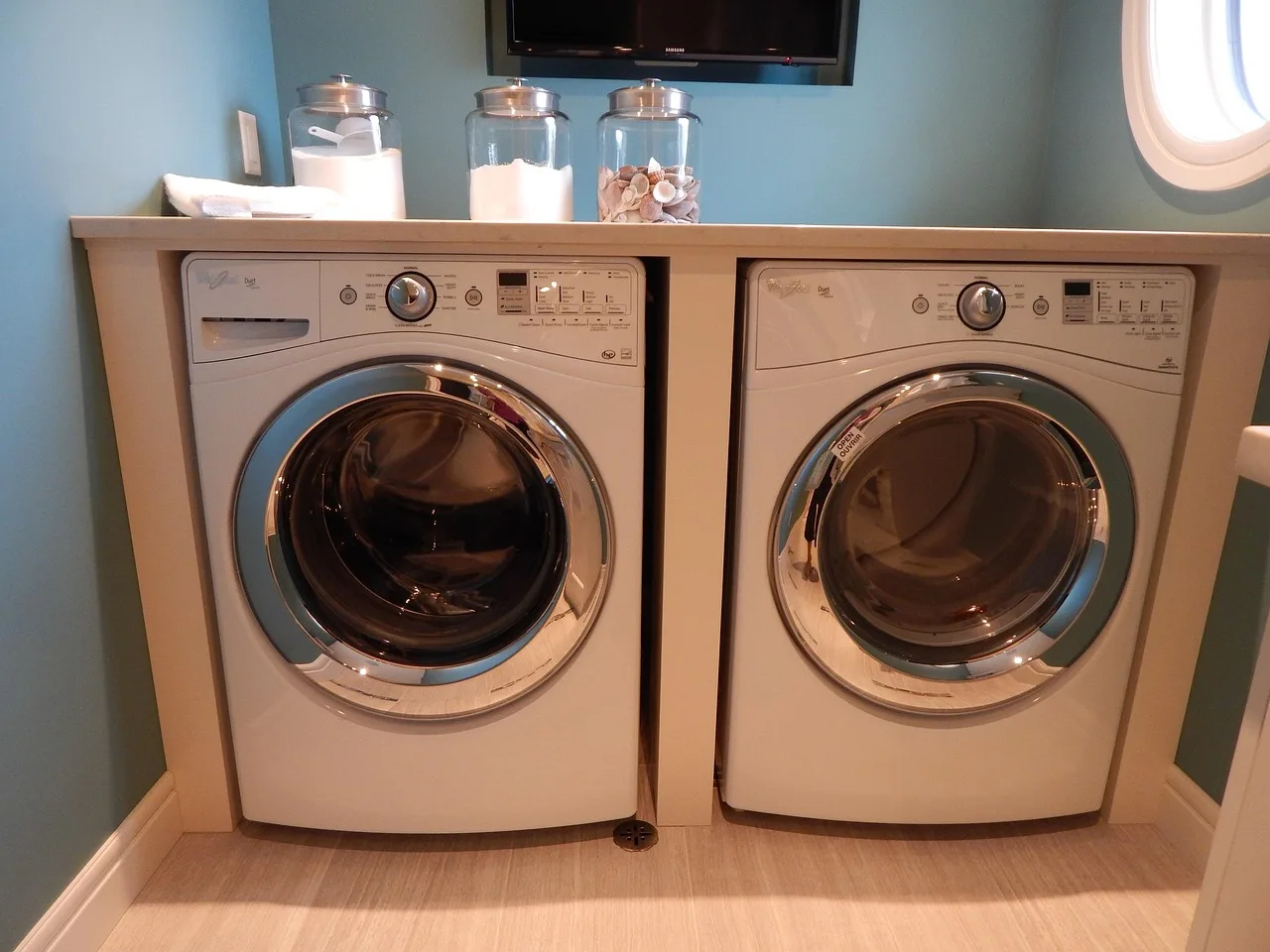
- A front-loading washer on a low platform does more for access than any other single change.
- Set the counter 30 to 34 inches above the finished floor, below the 36 inch default.
- The 2010 ADA Standards for Accessible Design put the reach band at 48 inches maximum and 15 inches minimum.
- Appliances are rarely the largest line item. Plumbing, electrical and floor repair usually are.
- Hold back 10 to 20 percent for the drain and vent problems old alcoves hide.
What the range covers
An accessible laundry rework, replacing a top-loading pair and rebuilding the alcove around a front loader, commonly runs from about $4,500 to $18,000. That is an illustrative range for one room in a typical US house. Coastal labour rates and cast iron drains push toward the top.
At the low end you keep the existing water lines, drain and outlet. At the high end the washer moves along the wall, the drain is reworked, a circuit is added, and the doorway is widened.
Narrow closets hit the same footprint limits as small accessible bathrooms, where the fixes are worked out in more detail.
Line by line
| Item | Low (USD) | High (USD) | What changes it |
|---|---|---|---|
| Front-loading washer and dryer pair | 1,600 | 3,800 | Capacity, vented or ventless |
| Pedestal or framed riser | 250 | 1,200 | Drawer pedestals or a built platform |
| Counter with appliance cut-out | 400 | 2,600 | Laminate, butcher block, solid surface |
| Plumbing changes | 0 | 3,200 | Relocated supply, standpipe, drain pan |
| Electrical work | 0 | 1,900 | New 20 amp circuit, GFCI, outlet height |
| Floor, wall and paint repair | 250 | 1,600 | Subfloor damage, vinyl, drywall |
These are planning ranges, not quotes, and they exclude delivery fees and sales tax.
Cost range by line item
- Washer and dryer pair1600-3800
- Pedestal or riser250-1200
- Counter with cut-out400-2600
- Plumbing changes0-3200
- Electrical work0-1900
- Floor and wall repair250-1600
What moves the number
Moving the drain is the costliest change. Relocating a standpipe and trap arm can add $1,500 to $3,200, because it means opening the floor and meeting the code slope.
What moves the number most
- Relocating drain1500-3200
- Widening door800-2500
- Ventless dryer saving400-1200
Door width comes second. Going from a 24 inch to a 32 inch clear opening means a new frame and often a wider header, adding roughly $800 to $2,500 in a load-bearing wall.
Appliance choice comes third. A ventless condensing dryer avoids a new duct and can save $400 to $1,200 in labour, though it costs more and still needs a drain.
The test is simple: sit at the counter and reach the detergent drawer, the dials and the door handle without standing. Anything outside 15 to 48 inches above the floor needs another look.
Not every driver deserves money. Which universal design fixes pay off ranks changes by how often a household uses them.
Example: a closet laundry in a 1970s ranch
One owner spent about $7,400 in a mid-range market. Of that, $2,200 went to a front-loading pair on a factory pedestal, $900 to a laminate counter with a cut-out, and $1,100 to a plumber who moved one supply line and set a drain pan. The largest single line was $1,700 to open the floor, sister a joist and re-lay vinyl.
What quotes leave out
Haul-away and disposal, permits, and the floor levelling a front loader demands. These machines vibrate, so most makers call for a rigid, level floor over a solid subfloor. A bid that lists the machine and counter but not the subfloor work will grow.
Missing items also include blocking behind the counter for grab bars, an outlet at accessible height, and the trim that closes the gap where the old alcove stood. The mistakes homeowners regret most tend to be exactly this kind of omission, found only after the machines are in.
Where people overspend
Custom cabinetry is the usual culprit. Stock base cabinets with a filler panel do the same job for a fraction of the cost.
Smart appliances are the second trap. App connectivity does not improve reach, and Wi-Fi dials do not help someone who cannot stand.
Rebuilding the whole room is the third. Widening a door and lowering one counter is often enough. If the budget is tight, HUD home improvement programs fund some accessibility work.