Maintenance
Part of Twelve universal design ideas for a real house
4 points worth checking on universal design ideas
Universal design ideas problems involve doors, ramps, glare, and alerts. Check four failure points, compare adjustment with rebuilding, and review maintenance.
A search for universal design ideas problems often points to predictable failures. Almost none come from the idea itself; they happen when a feature is installed a little off or meets a house's drainage, light, or door-swing conditions. These four checks focus on common trouble spots and practical corrections, many of which are adjustments rather than rebuilds.
Four checks to make
- The commonest failure is a good component installed at the wrong height or on the wrong side.
- Second commonest is water, which decides whether a level entry stays usable in February.
- Sensory failures get ignored longest because nobody complains about glare or echo, they just stop using the room.
- Fix in this ordersafety, then daily friction, then appearance.
For a checkable reference, the 2010 ADA Standards for Accessible Design specify a 32-inch minimum clear door opening, a maximum ramp running slope of 1:12, and a threshold level change of up to 1/2 inch when beveled. These are ADA requirements for covered routes, not automatically rules for every private home. ICC/ANSI A117.1, the Fair Housing Act, and locally adopted building codes may be relevant depending on the building and project; confirm requirements with the local building department.
1. Doors, thresholds, and hardware
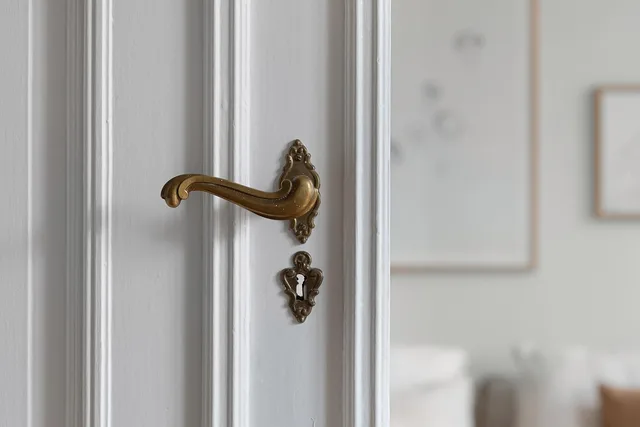
A wide door that swings into the turning space is worse than a narrow one that swings out. A lever handle set too close to the frame catches knuckles. A closer adjusted for wind is a closer nobody with a weak grip can open. Each of these is an adjustment, not a rebuild.
The U.S. Department of Justice (DOJ) document “Solutions for Five Common ADA Access Problems at Polling Places” covers exactly this territory, with low-cost corrections named. It is written for polling places rather than houses, but the failures are identical. Access problems
2. Ramps and level entries
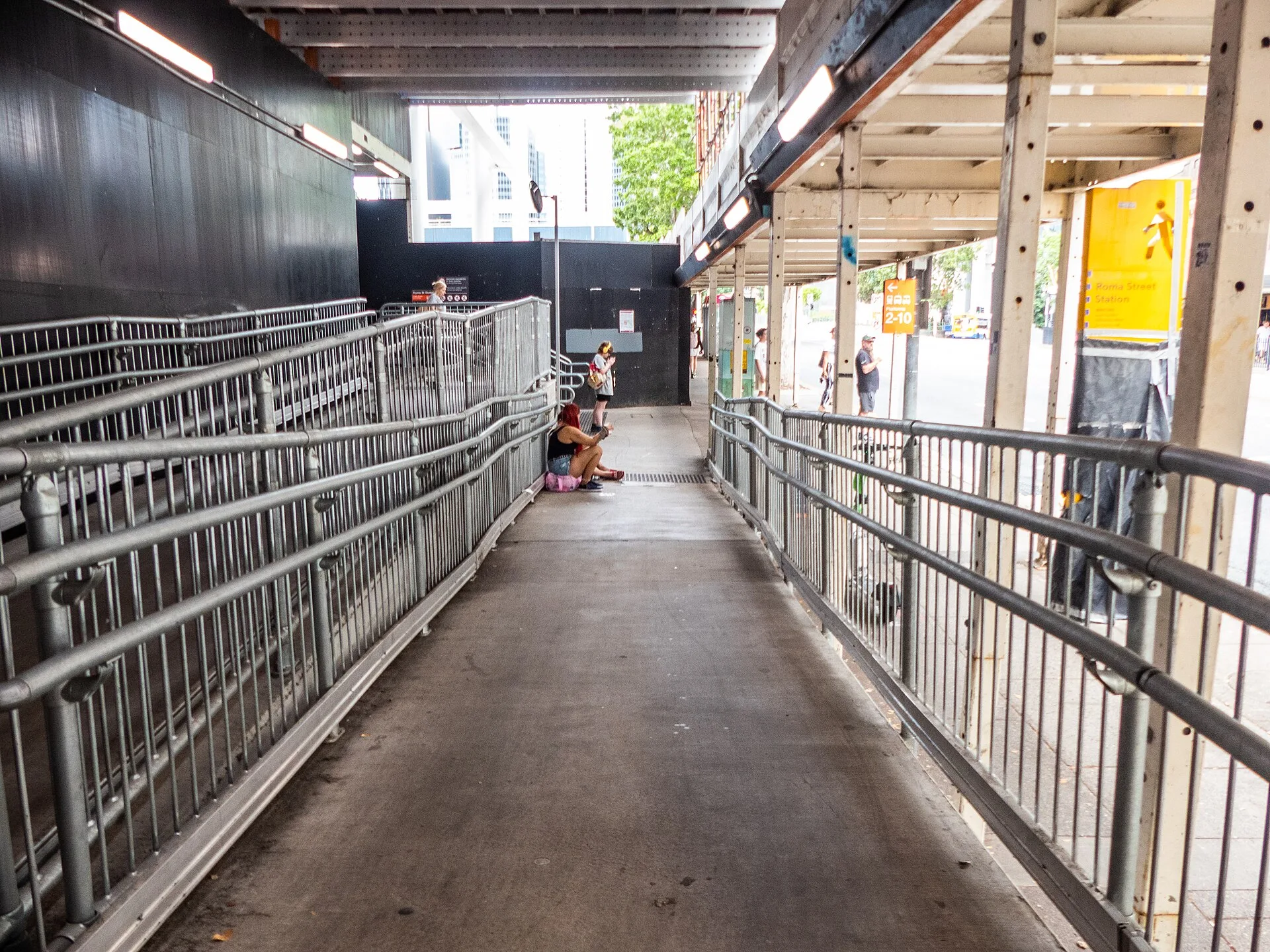
- Ramp too steep because the run was shortened to fit the flowerbed
- No level landing at the top, so the door cannot be opened from the ramp
- Water tracking back to the door because the slope falls the wrong way
- Surface that is grippy when new and polished after a year
- Handrail on one side only, which fails whoever needs the other hand
Most of these are fixed with drainage, an extra rail, or a grit-finish coating rather than a rebuild. Before pricing a new ramp, walk the existing one in the rain with the person who uses it and note where they slow down.
3. Light, glare, and sound
Bright is not the same as visible. A single ceiling fitting produces glare on a screen and shadows on a stair nose. Fix it with layered light: a lower ambient level, real task light where hands work, and a warm low light for night.
Echo is the other neglected one, since a hard-surfaced open room makes speech hard to follow for anybody with hearing loss. Soft furnishings, a rug away from the walking route, and acoustic panels all help.
Alerting is the one people miss entirely. Doorbells, smoke alarms and timers that some household members cannot hear are a real safety gap.
The U.S. Equal Employment Opportunity Commission's (EEOC) guidance, “Hearing Disabilities in the Workplace and the Americans with Disabilities Act,” covers visual and vibrating alerting devices used at work. The same categories exist for the home. Buy linked smoke alarms with strobe and pad options first. Hearing disabilities in the workplace
4. Check whether to adjust or rebuild
If three separate corrections have failed to make a room usable, the layout is the problem. Compare targeted adjustments with a rebuild: adjusting a closer or strike, improving drainage, adding a rail, or applying a grit-finish coating can address a localized failure; rebuild when the layout itself still prevents use. The broader comparison is in universal design choices compared. During the annual review in the maintenance plan for an adapted home, test door operation and alerts; inspect ramp drainage, surface grip, and handrails; and revisit glare, lighting, and room acoustics.