Features
Adaptable Kitchen Lighting for Aging Eyes: A 2027 Layered Guide
A layered guide to kitchen lighting for aging eyes: color temperature, glare control, task layers, switch heights, and scene planning for safer cooking.
What to take away
- Older eyes need more light on the work surface, more contrast, and less glare, so plan four layers: ambient, task, accent, and a night path.
- Hold color temperature at 2700K to 3000K across the whole room and choose fixtures rated CRI 90 or higher.
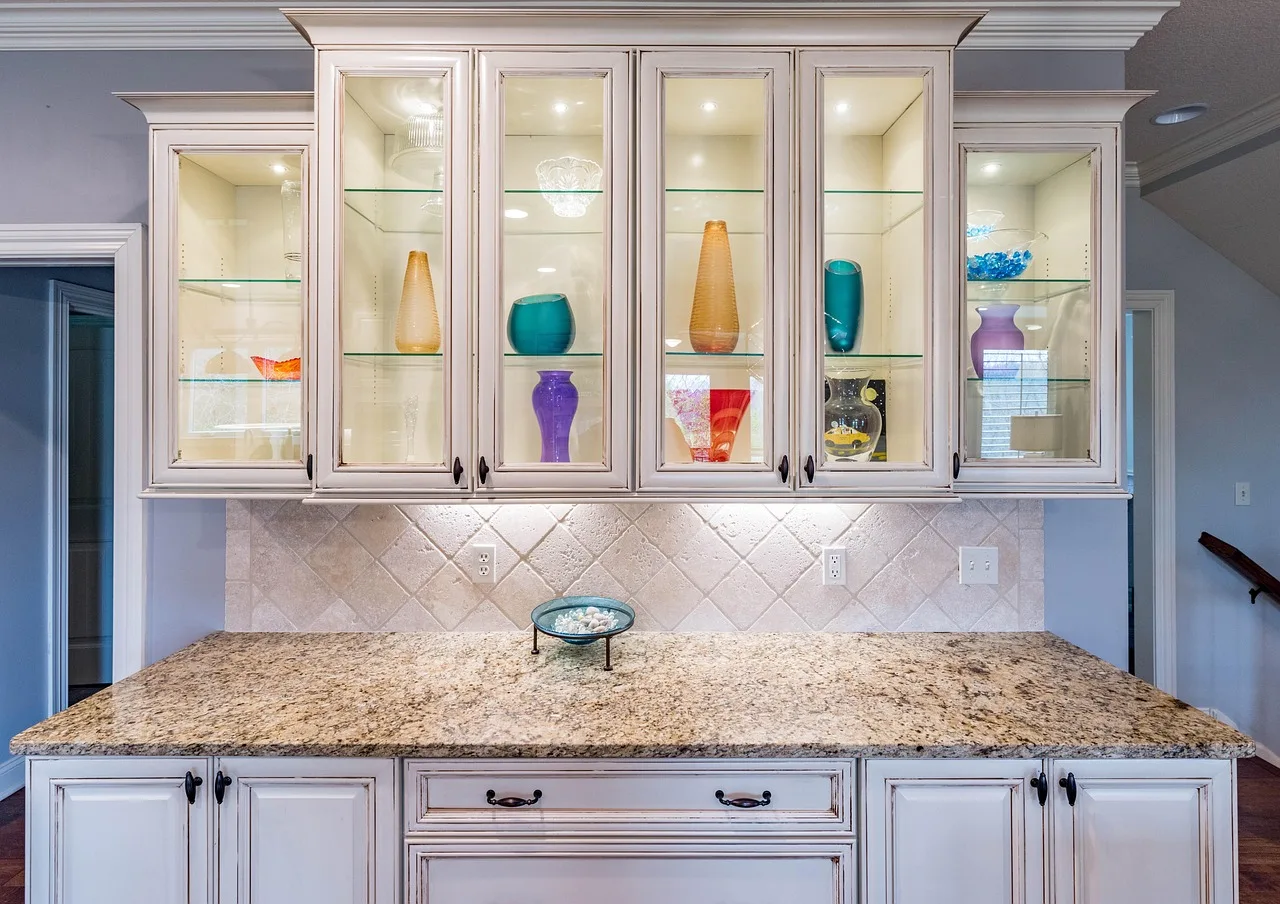
- Mount under cabinet strips at the front edge of the upper cabinets, and shield every source with a diffuser or a baffle.
- Place rocker switches and dimmers 44 to 48 inches above the floor beside each doorway, then add voice control as a second path.
Why One Bright Ceiling Fixture Fails Older Eyes
The aging lens yellows and scatters light, the pupil opens less in a dim room, and the eye adapts more slowly between bright and dark. A single ceiling fixture puts light everywhere except on the cutting board.
Cataracts and early macular changes also reduce contrast sensitivity. A dark counter below a dark cabinet becomes one grey mass. Light that separates those two surfaces does more for safety than extra brightness.
The Four Layers and What Each One Does
The Four Layers
| Layer | Job in the kitchen | Where it goes | What to specify |
|---|---|---|---|
| Ambient | Even fill with no hot spots | Ceiling grid over the room | Deep baffled trims, dimmable driver |
| Task | Light on the work surface | Under the upper cabinets, front edge | Diffused LED strip, 3000K, CRI 90 or higher |
| Accent | Depth and drawer visibility | Inside cabinets, toe kick, cove | Low output strip on its own dimmer |
| Night | Safe movement after dark | Toe kick and floor level | Motion sensor, 2200K to 2700K |
Each layer needs its own control. One dimmer for everything forces a choice between bright work light and a calm room, and older eyes lose at both ends.
Color Temperature, CRI, and Contrast
Color temperature is measured in kelvin. Warm light near 2700K flatters wood and skin, while 3000K reads a little cleaner and still feels like a home. Mixed kelvins in one sightline look broken.
CRI describes how faithfully a source renders color, and the R9 value covers deep reds. Tomatoes, berries and meat look grey under a low R9 source, which matters when you judge whether food is cooked. Aim for CRI 90 or higher and an R9 above 50.
Common residential lighting guidance puts kitchen counters near 50 footcandles, about 500 lux measured at the surface. Treat that as a starting point rather than a target for a household with older eyes.
Cool 4000K light late in the evening can delay sleep for some people, so keep the after dinner scene warm and dim.
Glare Control on Counters, Floors, and Cabinet Fronts
Glare is light in the wrong place. Polished quartz, glossy backsplash tile and semi gloss cabinet paint bounce a bright source straight back into the eye.
Move the source to the front edge of the upper cabinet. Light then travels down and back onto the counter instead of into your face.
Shield bare LED tape behind a diffuser, and choose deep baffled recessed trims rather than shallow open cans.
Pick honed counters, satin cabinet fronts and low sheen flooring. Contrast between counter and floor helps, but reflection hurts.
A bright room is not the same as a readable room. Contrast and glare control decide whether you can see the edge of the knife.
Switch Placement and Controls That Work Without Standing
Reach range matters as much as output. The 2010 ADA Standards for Accessible Design cap operable parts at 48 inches above the floor, and 44 to 48 inches is a comfortable band for kitchen switches. Private homes fall outside that law, but the numbers remain a sound reference.
Mount switches on the latch side of each doorway, never behind the door swing. Three way switching at both kitchen entries prevents a walk into a dark room.
Voice control adds a second path when hands are wet or full. Accessible interfaces need clear labels, large targets, and alternatives to speech, which the WCAG guidance describes.
Keep one wall keypad for scenes labeled prep, cook, eat and night. Plain words beat icons.
Example: A Galley Kitchen for Two Retirees
Galley Kitchen for Two Retirees
- Draw the layers on the plan firstceiling grid, under cabinet runs, toe kick, and each switch location.
- Fix one color temperature. Order every fixture at 3000K, CRI 90 or higher, so nothing in the room clashes.
- Ask the cabinet maker for a light valance and a recessed strip at the front edge of the upper cabinets.
- Wire three way switches at both doors and a motion sensor for the toe kick night layer.
- Program four scenes and set the night scene warm and low.
Poor lighting is one of the home hazards that show up in fall reports. The National Institute on Aging reviews falls risk factors and prevention, including lighting and floor changes at home.
Wiring, Climate, and the Cabinets You Already Chose
Under cabinet LED strip, drivers and dimmers all shed heat, and that heat sits inside a closed cabinet. Ventilation, cabinet material and backup power change what you can install safely. Those same wiring decisions depend on how climate reshapes the choices behind ventilation, cabinet materials and refrigeration backup.