Maintenance
Part of Accessible bathrooms how it works: remodel sequence
Leaks, slips and scalds: the fixes accessible bathrooms actually need
Why new accessible bathrooms leak, slip, scald or trap people, and the corrections that work: falls to drain, door swing, scald control and calling for help.
Accessible bathrooms fail in a short list of ways. Almost all of these accessible bathrooms problems are designed in, not worn in. Water goes to the wrong place. A bar sits in the wrong spot. A door traps somebody.
The corrections are usually smaller than people fear. They must be identified honestly: watch the room in use, not empty.
What to take away
- Water escaping the shower zone is the commonest defect, and it is a falls problem before it is a damage problem.
- Grab bars fitted without blocking will loosen. Test by pulling, not by looking.
- A bathroom door that swings inward can trap a person who falls behind it.
- Scald protection and a way to call for help are cheap and routinely missing.
Water where it should not be
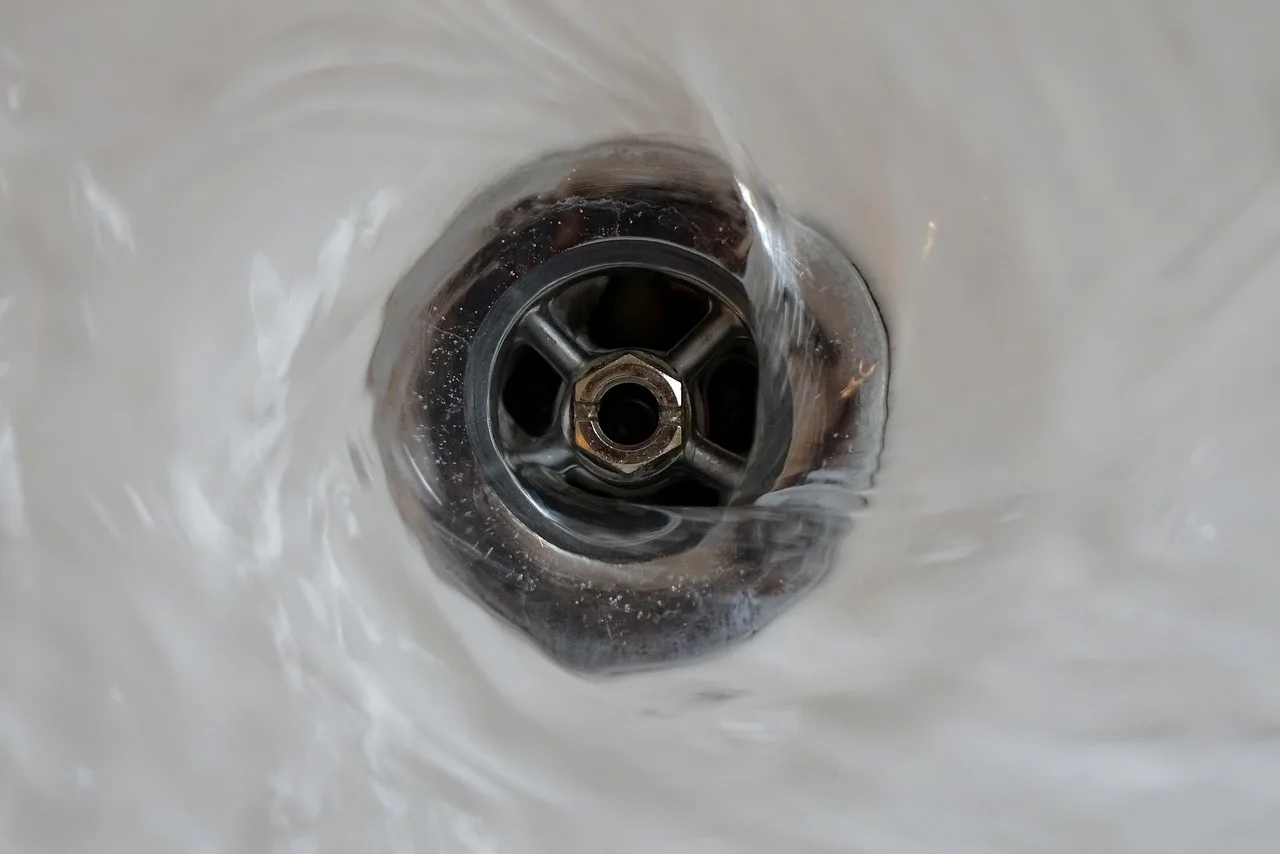
Curbless showers work when the floor falls to the drain across the whole wet zone, not toward the door. Failures come from a screed laid flat, a drain set too high, a linear channel installed level, or a shower head aimed past the zone.
Fixes range from a screen or half-height panel, through a threshold strip, to relaying the fall. Diagnose with a bucket of water and a level before anybody quotes for a rebuild.
Slips are the other half of the problem, and they are a floor-finish question rather than a drainage one. Choose a tile rated for wet areas: the widely specified threshold is a wet coefficient of friction of 0.42 or higher under ANSI A326.3, and polished porcelain is the finish that looks right and behaves badly once it is wet. A drainage mat with a beveled edge helps, but only if it can be lifted, rinsed and dried.
Bars, seats and fixings
- A bar that rotates in the hand has lost its fixing and needs opening up
- A bar fixed to tile and board with no blocking behind will fail under a real load
- A folding seat mounted at the wrong height makes a transfer harder, not easier
- A vertical bar at the entry is often more useful than a second horizontal one
- A towel rail is not a grab bar and will pull off the wall when treated as one
Doors, locks and getting help
An inward-swinging door is the classic trap. Rehanging it to swing out, or fitting a sliding door, solves it for a modest cost. Pair that with a lock that can be released from outside, and think about who would hear a call for help.
Emergency communication is a documented weak point. The ADA rules on access to 9-1-1 and telephone emergency services — Title IV of the ADA, administered by the Federal Communications Commission — set out why reaching emergency services is harder for some callers than others. In a house, the practical version is a phone or pendant within reach of the floor, not only within reach of a standing adult.
Some households need to think specifically about seizures. The U.S. Equal Employment Opportunity Commission's guidance on epilepsy in the workplace describes the condition in an employment setting, and the home design implications follow directly. Doors that open outward, no bolt that cannot be released, padded rather than sharp edges, and a shower rather than a bath.
Heat and scalding
A thermostatic mixing valve on the shower, and on the basin where relevant, prevents sudden temperature change. That change causes falls as often as burns. Set the maximum deliberately at 120 °F (49 °C), the usual cap for hot water at a shower, and check it annually as part of the routine in our universal design problems and fixes.
If several fixes have failed, the layout may be the issue, which is the point to revisit what happens during an accessible bathroom project.